Beyond the Guidebook · Firsthand Experience
What the Travel Brochure Doesn’t Tell You—and Why Firsthand Experience Matters
Gina Renée Langlinais · 6 min read
 Travel Advice
A brochure can show you the trip. It can’t tell you how the trip will feel — and that’s the part that decides whether it was the right one for you.
I love a beautiful travel brochure. Give me the gorgeous balcony view, the sparkling blue water and the perfectly arranged dinner table. I will happily look through every page.
But a travel brochure has a particular job: to show you everything that makes a trip appealing.
It usually doesn’t tell you how that trip will actually feel for you.
It can list the size of a stateroom, but it can’t tell you whether your family will feel crowded inside it. It can show you a balcony, but it can’t decide whether that balcony is worth the additional cost based on how you travel. It can describe every port on an itinerary, but it won’t tell you whether the pace will leave you exhilarated or exhausted.
That is where firsthand experience matters.
The “best” choice isn’t always the most expensive one
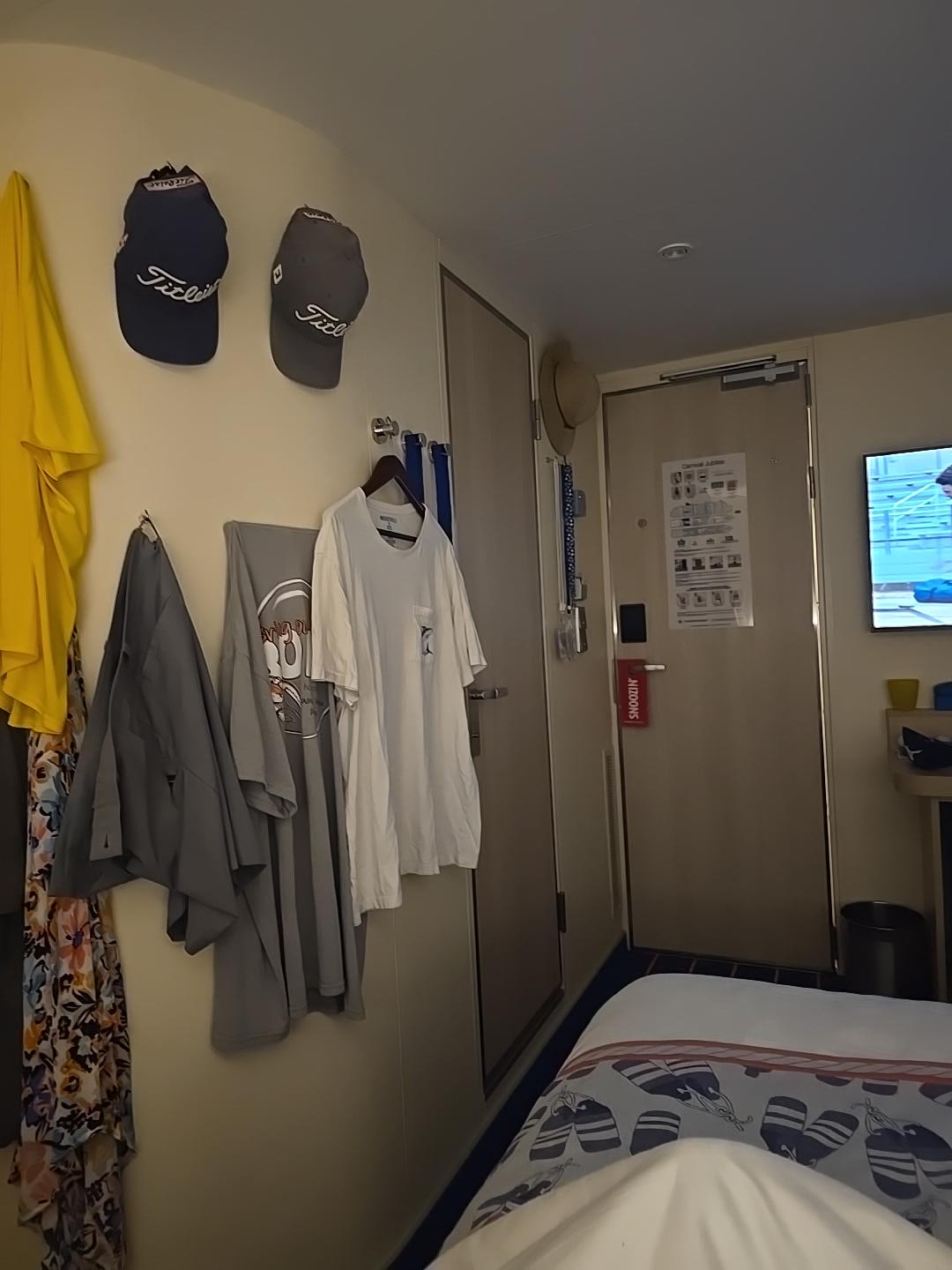
My husband, Lloyd, and I recently stayed in an interior cabin with our nine-and-a-half-year-old grandson.
We were nervous about it. We normally enjoy having a balcony, and moving from a balcony cabin to an interior—with three people sharing the space—felt like a considerable difference.
Would it feel too small? Would we feel claustrophobic? Would three people be one person too many?
It turned out to be completely fine.
We spent most of our time outside the cabin enjoying the ship. We had enough room for what we needed, and the darkness made it easy to sleep. I still love a balcony and would certainly choose one when it makes sense, but I walked away with a different perspective: an interior cabin can be a very good choice for the right traveler.
A brochure can give you the measurements. Firsthand experience helps explain what those measurements feel like in real life.
Every good option is not good for every traveler
Travel planning shouldn’t be about automatically choosing the highest cabin category, the most expensive hotel or the excursion with the prettiest pictures.
It should be about choosing what fits the person taking the trip.
A traveler who enjoys coffee and quiet mornings on a private balcony may value that space every single day. Someone who leaves the cabin early, explores until dinner and returns only to sleep may be perfectly happy in an interior cabin—and may prefer using the savings for an excursion or another vacation.
Neither traveler is wrong.
The same is true for itineraries. A schedule filled with ports may sound exciting, but it can be tiring for someone who prefers slow mornings and leisurely days. A hotel in the center of everything might be convenient, but it may not suit someone who needs a quieter setting. A large ship can provide endless entertainment, while a smaller ship may offer the atmosphere and access another traveler values more.
The important question isn’t simply, “Is this a good trip?”
It is, “Is this a good trip for you?”
Real travel doesn’t always follow the brochure
Brochures show the vacation after everything has gone according to plan.
Real travel occasionally includes canceled flights, delayed luggage, weather changes, confusing transfers and moments when someone must decide what to do next.
I have helped travelers work through those moments. I have also hosted a cruise group of 124 people, which taught me far more about timing, communication, transfers, excursions and individual traveler needs than any supplier description ever could.
Those experiences change the questions I ask and the details I notice.
Who needs extra guidance before departure?
Who may struggle with a tightly scheduled itinerary?
Which traveler wants the comfort of staying with the group, and which one needs room to explore independently?
What information will help someone feel prepared instead of overwhelmed?
Those answers rarely appear in a brochure.
Information is helpful. Judgment is better.
You can find an enormous amount of travel information online. You can see photographs, compare prices, read deck plans and watch videos from people who have been almost everywhere.
That information is useful, but more information doesn’t always make a decision easier.
Sometimes you need someone to explain the trade-offs honestly.
Yes, this option costs less—but here is what you give up.
Yes, that room is beautiful—but you may rarely use its best feature.
Yes, this excursion is popular—but it may be too physically demanding for the experience you want.
Yes, you can travel alone—and here is how joining a hosted group can help you feel included without taking away your independence.
A good travel advisor shouldn’t simply repeat what the supplier says. The advisor’s responsibility is to listen, ask questions and help translate all that information into a decision that fits the actual traveler.
The brochure can show you where you might go.
Firsthand experience helps determine how you should go, what will matter once you arrive and which choices are genuinely worth your money.
That is the part of travel planning that cannot be copied and pasted.
Share This Story
https://travelwithginarenee.com/stories/what-the-travel-brochure-doesnt-tell-you
Ready for a story of your own?
Plan Your Trip With Gina